8 Reasons Your Sciatica Keeps Coming Back Every Morning (Even When You're Doing Everything Right During the Day)
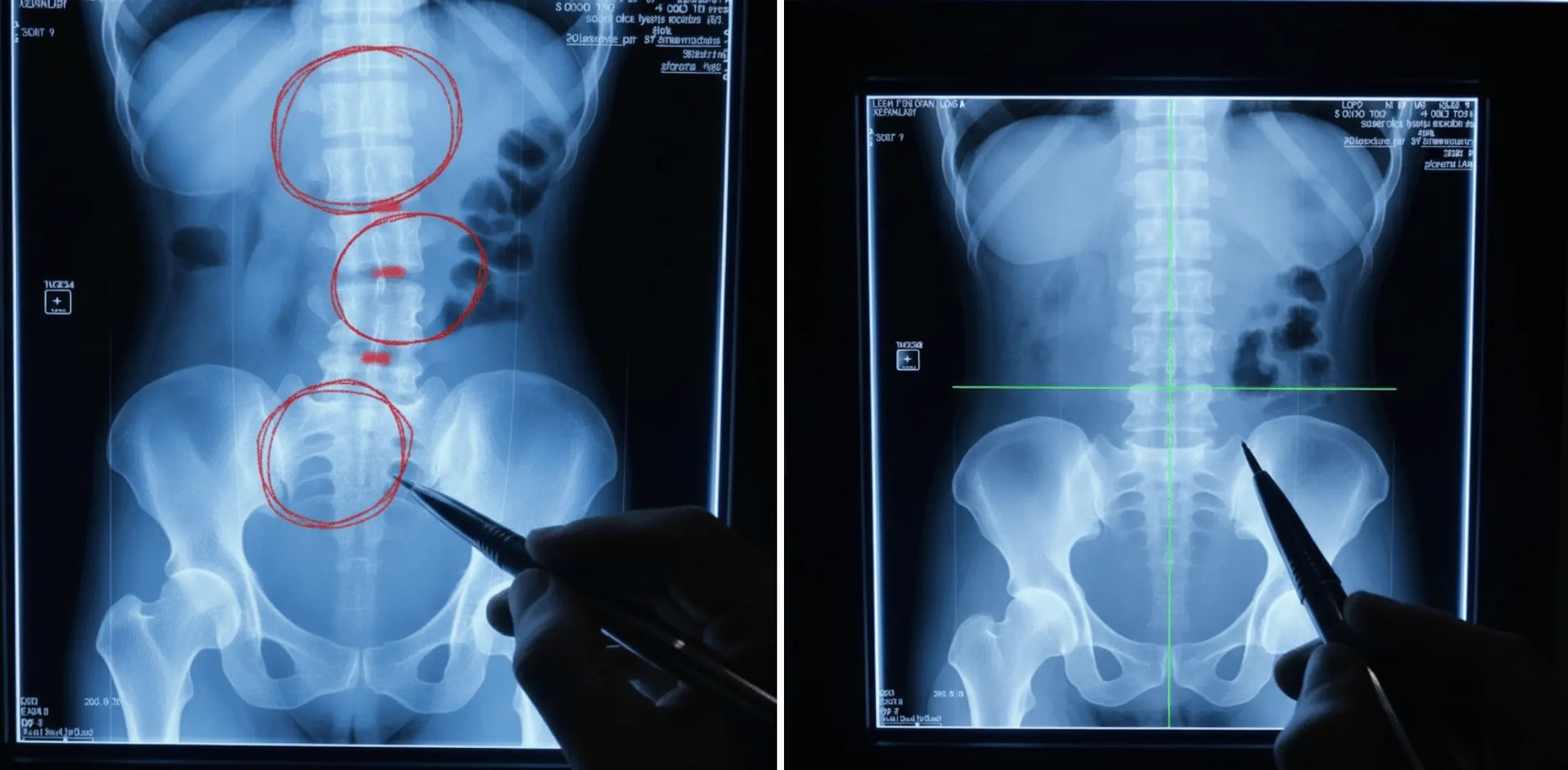
If you've been to physiotherapy, tried cortisone, taken the pills, and you still wake up at 3 AM with that electric pain shooting down your leg—you're not failing the treatment. The treatment is failing because of what happens to your body the moment you fall asleep.
Here are the 8 reasons your sciatica won't go away, and what actually fixes it.
1 You Heal All Day—Then Undo It in 8 Hours of Sleep

You spend 60 minutes in physio. You do your stretches. You walk carefully. Your body starts to recover.
Then you go to sleep on your side—and for the next 8 hours straight, your spine gets pulled into the exact position that compresses the sciatic nerve.
That's not 8 hours of healing. That's 8 hours of damage.
You're not progressing. You're treading water.
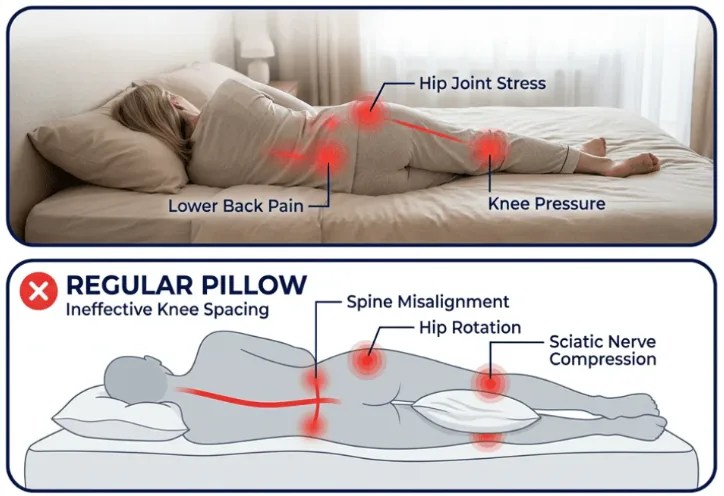
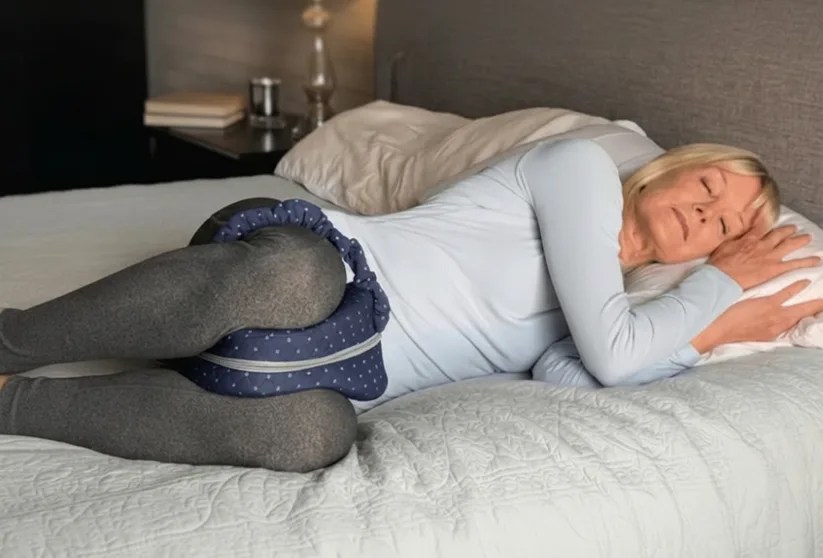
2 Your Top Leg Drops 3-4 Inches the Moment You Relax

When you're lying on your side and your muscles relax for sleep, gravity pulls your top leg down toward the mattress.
Without anything between your knees, your top leg drops 3-4 inches lower than your bottom leg.
This rotates your pelvis. Twists your lumbar spine. And pinches the nerve root that becomes your sciatic nerve.
You don't feel it because you're asleep. But your body does.
3 Your Sciatic Nerve Gets Compressed for 8 Hours Straight

The pelvic rotation isn't a "moment" of pressure. It's continuous compression for an entire night.
Your sciatic nerve—already inflamed from whatever caused the original problem—is being squeezed against bone for 480 minutes straight.
That's why you wake up worse than when you went to bed. Not better. Not the same. Worse.
And no amount of physiotherapy can repair damage that's being inflicted every night you sleep.
4 Cortisone, Pills and Physio Can't Reach the Real Cause
Cortisone injections reduce inflammation—for a few weeks. Then it comes back, because the source of the inflammation (nightly nerve compression) was never addressed.
Pain pills mask the signal. They don't fix the structural problem.
Physio exercises strengthen muscles. But you can't strengthen your way out of 8 hours of bad alignment.
None of these treatments address the only 8 hours of your day where your spine is held in the worst possible position.
5 71% of "Failed" Sciatica Treatments Trace Back to Sleep Position
A study published in the Journal of Physical Therapy Science reviewed cases where conservative treatment (physio, medication, stretching) failed to resolve sciatica.
The conclusion: 71% of those failures correlated with improper sleeping position—specifically, side sleepers without leg alignment support.
Doctors and PTs rarely ask how you sleep. They focus on what you do during the day.
Meanwhile, the real problem is happening from 11 PM to 7 AM.
6 A Pillow Between Your Knees Isn't Enough—It Slips Out by 2 AM

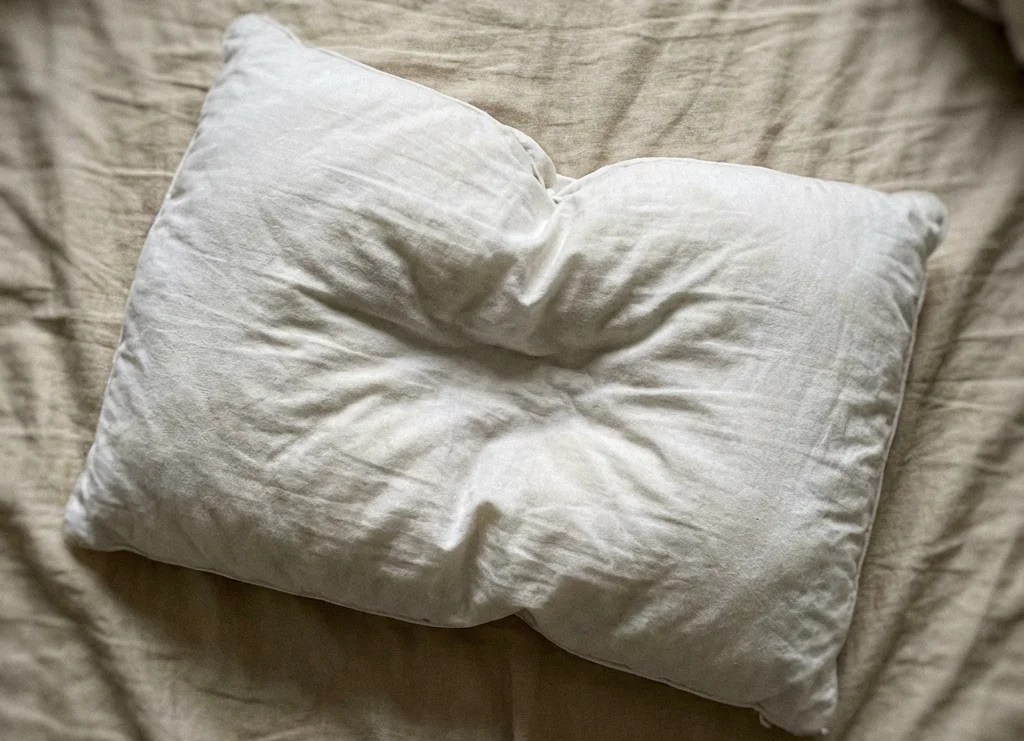
"Just put a pillow between your knees" is the most common (and useless) advice given to side sleepers.
Regular pillows are too soft, too round, and too slippery. Within 60 minutes of falling asleep, they shift. By 2 AM, they're at your ankles—or on the floor.
You wake up in the same compressed position you started with—except now you've also been moving all night trying to find one that works.
A pillow without a strap is a pillow that's gone before your sleep cycle even resets.
7 The Strap System Is What Cheap Pillows Don't Have
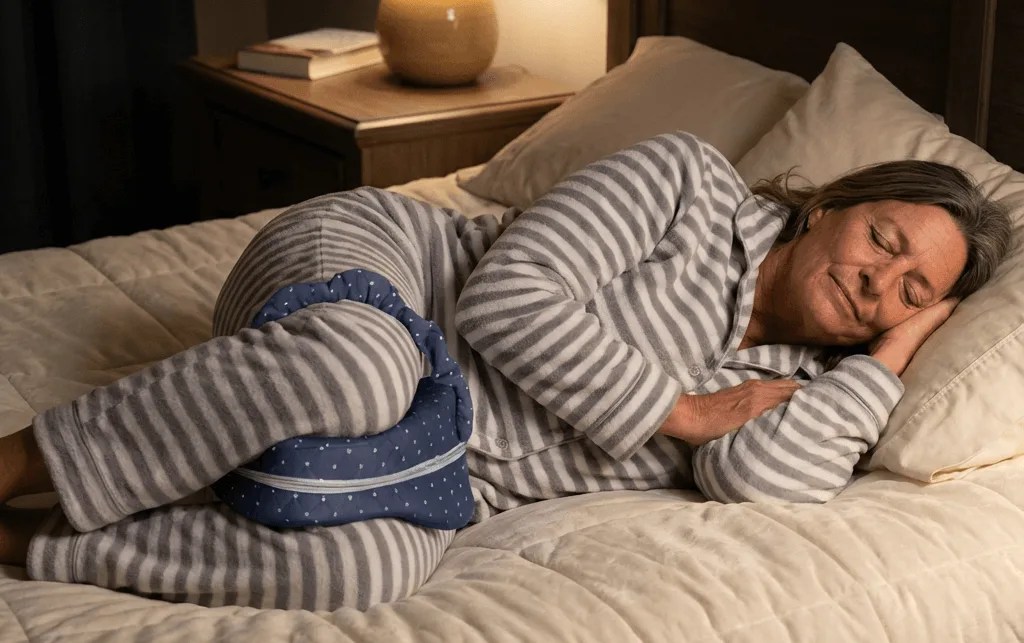
The difference between a £12 pillow that fails and a properly designed alignment pillow is one feature: the adjustable strap.
The strap wraps around your top thigh and locks the pillow into position. When you shift, it shifts with you. When you turn, it stays. The pillow doesn't migrate down your legs at 2 AM. It stays exactly where it needs to be for all 8 hours.
This is why physiotherapists who actually understand the problem will tell you: any leg pillow without a strap is the wrong tool for the job.
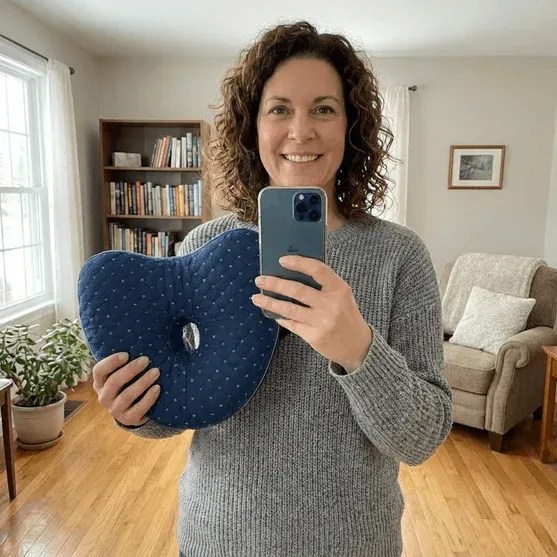
The right one—the heart-shaped, strap-locked, medical-grade memory foam version—is the only one designed to keep working while you sleep.
8 The Fix Costs Less Than One Cortisone Injection
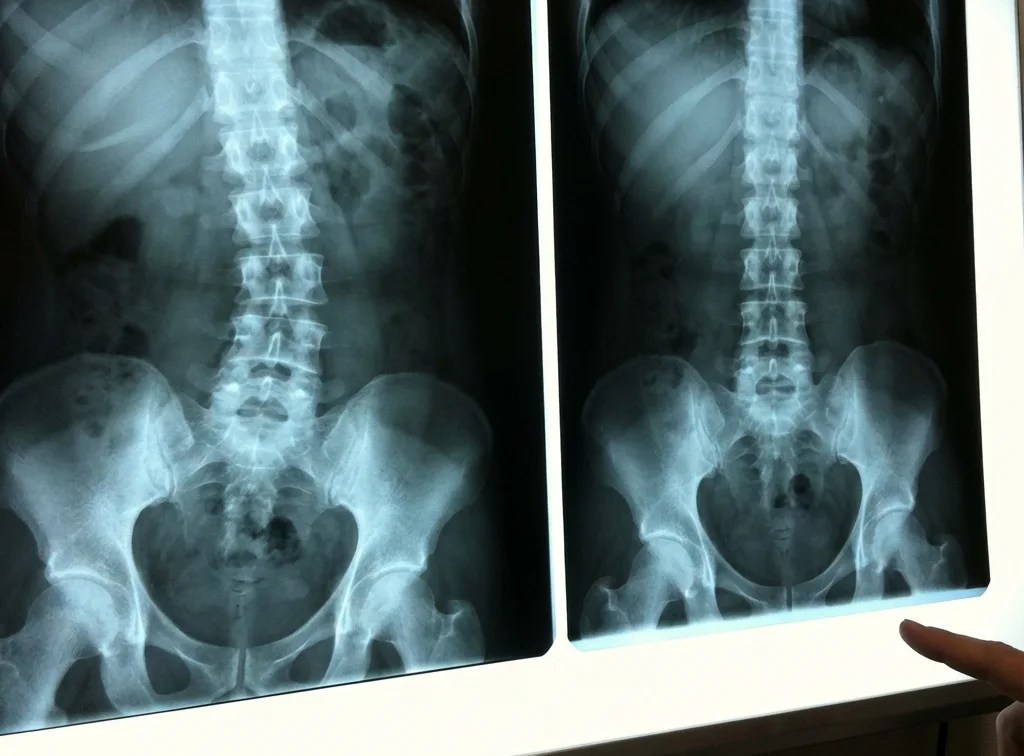
Look at what people spend trying to manage sciatica without ever addressing sleep position:
- Private cortisone injection: £400 (lasts ~3 months, often fails)
- 3 months of private physio: £900
- Specialist consultations: £150–£400 each
- Prescription pain meds: £40–£100/month indefinitely
- Private surgery (last resort): £20,000+
The SensyCore Knee Alignment Pillow—the one designed specifically to fix what's happening at night—costs £34 with the current 50% discount.
One pillow. One-time cost. The thing that was missing from every other treatment you tried.
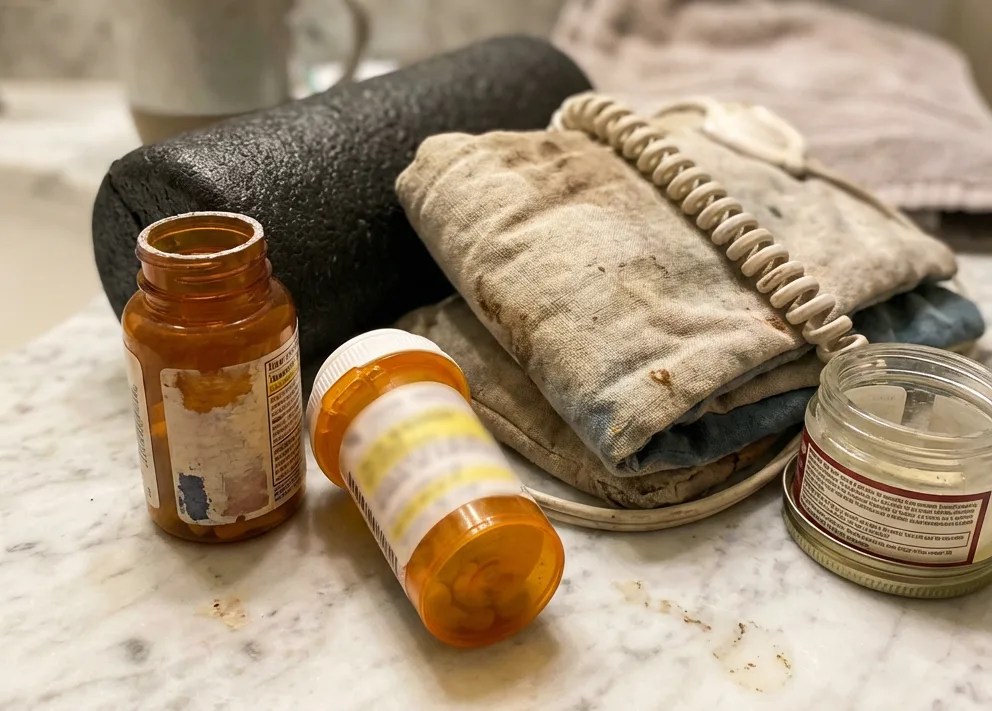
Backed by a 60-Night Guarantee
Most people feel meaningful relief in the first 3 nights. Many sleep through the night for the first time in years within the first week.
If you're one of the rare cases where it doesn't work, return it. Full refund. No forms, no questions, no hassle.
You only have one thing to lose: another night of nerve compression.
What Side Sleepers Are Saying
Cancelled my surgery after 3 weeks
"I was on the surgery list. Three weeks after using this pillow, I cancelled. My surgeon couldn't believe the improvement. Said he'd never seen recovery this fast without operating. The strap is the difference—every other pillow I tried slipped out within an hour."
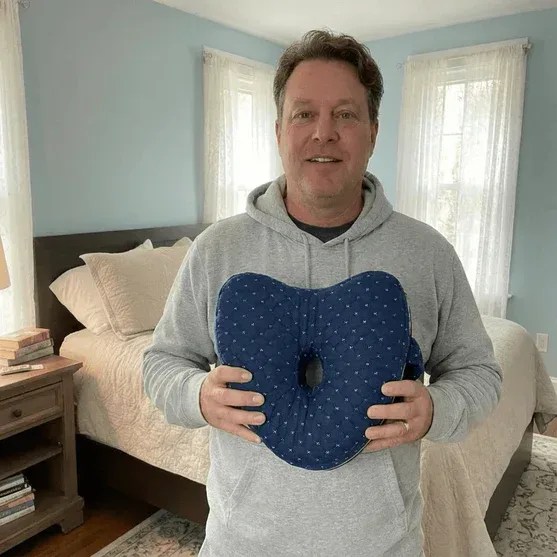
First improvement in 6 months of physio
"Six months of physiotherapy and nothing changed. Bought the SensyCore. Within a week, my physio asked what I'd done differently. 'Finally fixed my sleep position,' I said. He just shook his head. 'Why didn't I think of that?' Yeah. Why didn't he?"
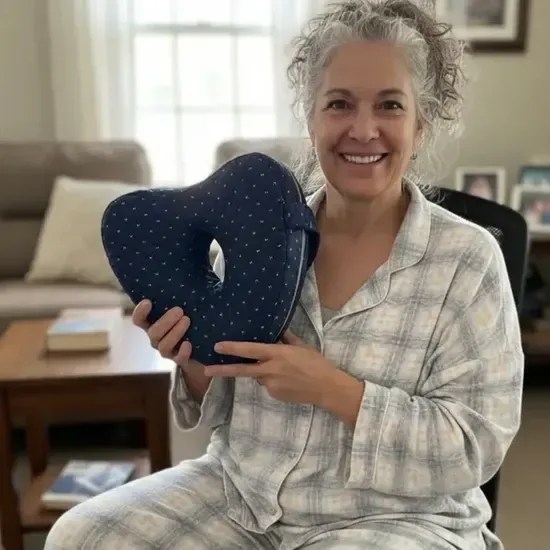
First full night's sleep in 2 years
"First night in two years I slept without waking from nerve pain. When I realised I'd slept all night, I sat up in bed and cried. My husband thought something was wrong. 'No,' I said, 'I just… didn't feel pain.' He cried too."
The Bottom Line
If you're a side sleeper with sciatica that keeps coming back, you don't have a treatment problem. You have a sleep position problem that no amount of physio, medication, or stretching will ever fix on its own.
Every night you sleep without proper leg alignment is another 8 hours of compression on a nerve that's already inflamed. Another night that erases the daytime work you put in.
The fix isn't expensive. It isn't complicated. And it's protected by a 60-night guarantee that means you literally cannot lose money trying it.
The only thing you can lose is another night of pain.
50% OFF FOR NEW CUSTOMERS!
Stop waking up in pain. Start sleeping through the night.
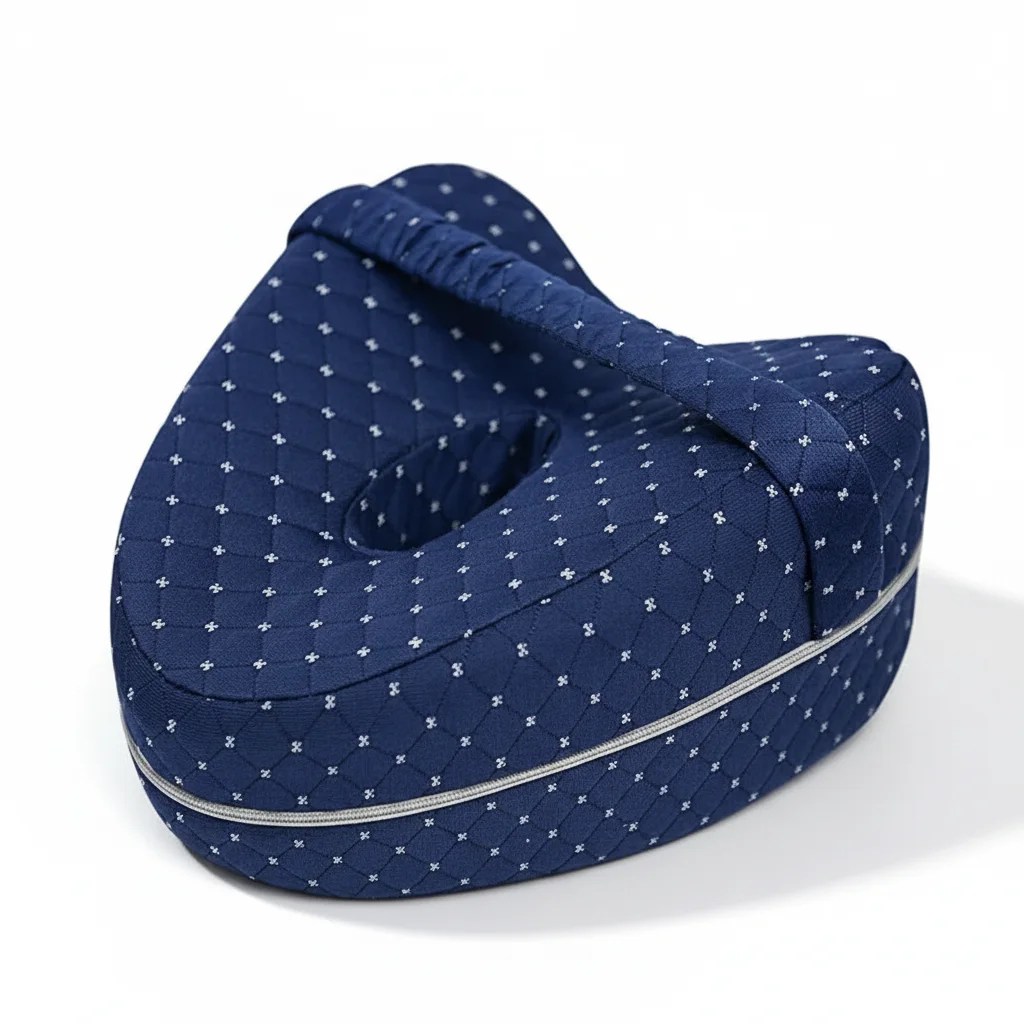
Get the SensyCore Alignment Pillow for 50% OFF—our biggest discount of the year.
- Heart-shaped ergonomic design
- Adjustable strap that locks alignment
- Medical-grade high-density foam
- 60-night risk-free trial